
PPF vs Ceramic Coating
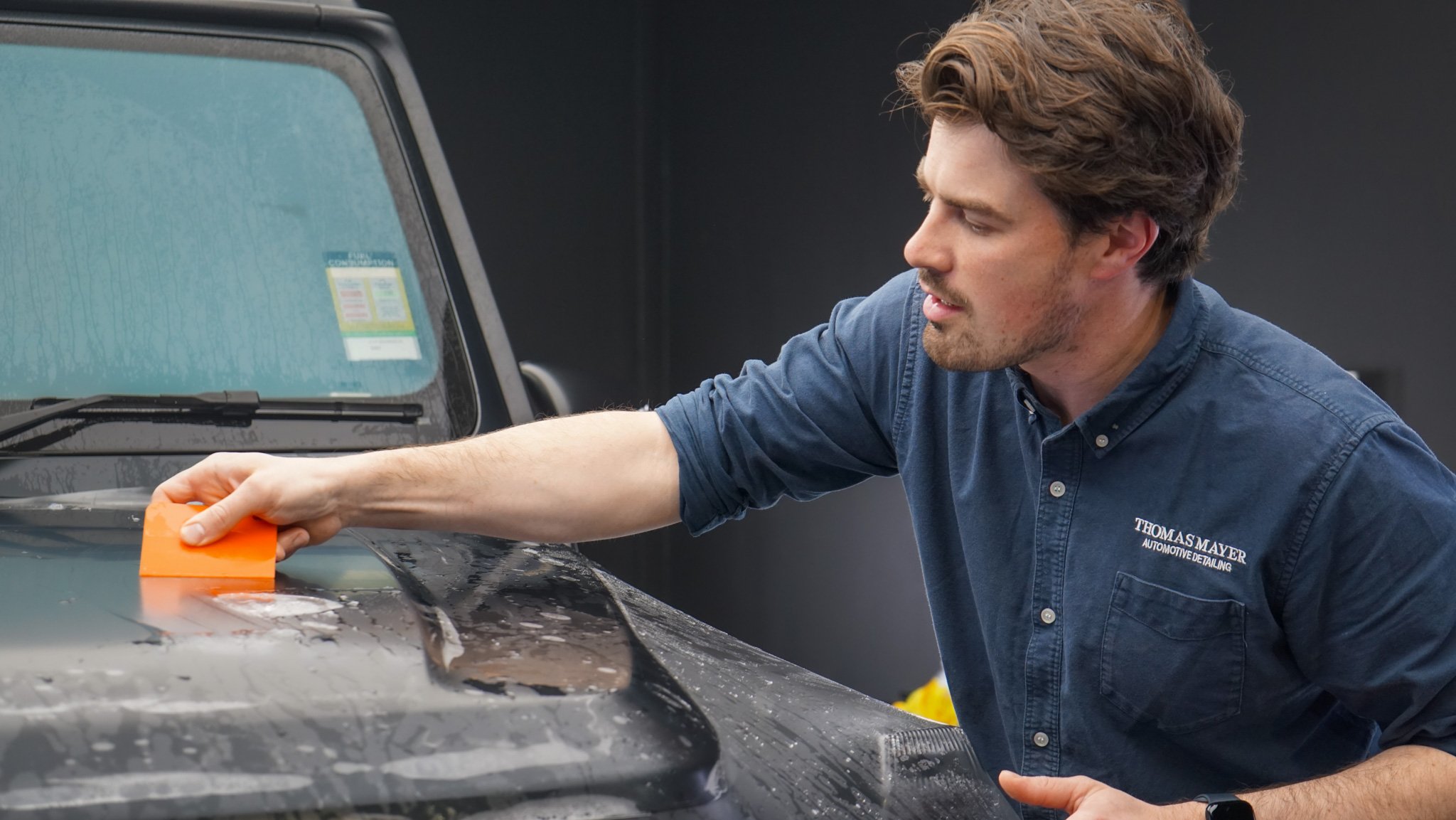
Thomas Mayer applying paint protection film to a vehicle in Adelaide
Most people come in asking which one they should get. PPF or ceramic. The honest answer is they do different things, and in most cases the right answer is both.
Here's what each one actually is.
PPF — Physical Protection
Paint Protection Film is a thermoplastic polyurethane film. It sits on top of your paint as a physical barrier. When a rock hits your bonnet, the film takes the impact. When a car park door swings open, the film absorbs it. The paint underneath stays untouched.
PPF is thick and elastic. It has self-healing properties on the surface layer, so light scratches disappear with heat. It's the closest thing to armour you can put on a car.
What it is not is a coating. It does not make the paint glossier. It does not repel water. It does not stop contamination bonding to the surface.
The film itself is an organic material. It contains carbon. Left unprotected, it deteriorates in UV and harsh weather. The surface is soft, which means dirt accumulates more easily than on bare paint.
Ceramic Coating — Surface Treatment
A ceramic or glass coating is an inorganic treatment applied directly to paint or PPF. The main molecular structure is silicon dioxide. When it cures, it creates a hard three-dimensional mesh on the surface that is water resistant and does not oxidise in the natural environment.
It makes the surface hydrophobic. Water beads and runs off. Contaminants bond less readily. The gloss increases and stays consistent. Maintenance becomes significantly easier.
What it does not do is absorb physical impact. A rock chip goes straight through a ceramic coating. It offers no mechanical protection whatsoever.
Why Both Makes Sense
PPF protects the paint from physical damage. Ceramic coating protects the PPF from UV degradation, contamination and surface deterioration.
There is four years of real world test data on this. PPF coated with a glass coating measured 91 gloss units after four years outdoors. Uncoated PPF on the same test piece measured 51.70 gloss units. That is 57% of its original gloss remaining versus 101%. The coating kept the PPF looking new while the uncoated side deteriorated significantly.
Without a coating over the top, PPF works hard but degrades faster than it needs to. With a coating, you are getting the best of both products. Physical protection underneath, chemical resistance and gloss on top.
Which One First
PPF goes on first. Always.
A ceramic coating is an inorganic material. If you apply it to the paint before PPF goes on, the film will not bond correctly when it is installed later. The coating has to go on after the PPF is on the car.

What About Just Ceramic
Ceramic alone makes sense for cars that are not high-risk for rock chips and physical damage. Daily driver in an urban area. Mostly highway driving with gaps between cars. A car the owner wants easier maintenance and better gloss without the full cost of film.
It is a legitimate choice. It just does not protect against the things PPF does.
What About Just PPF
PPF alone is common. Plenty of cars come in for a front end or full body wrap with no ceramic over the top. It works. The film does its job.
The gap is long-term surface condition. Over time, uncoated PPF accumulates contamination and loses some surface quality. A coating over the top extends the film's life and keeps it looking better for longer.
The Honest Answer
If the budget is there, do both. The products complement each other in a way that neither achieves alone.
If the budget is one or the other, the decision comes down to how you use the car and what you are most trying to protect against. Front end PPF on a car that does regular highway driving. Ceramic only on a city car that gets light use.
Tell me about your car and how you drive it and I will tell you what makes sense.
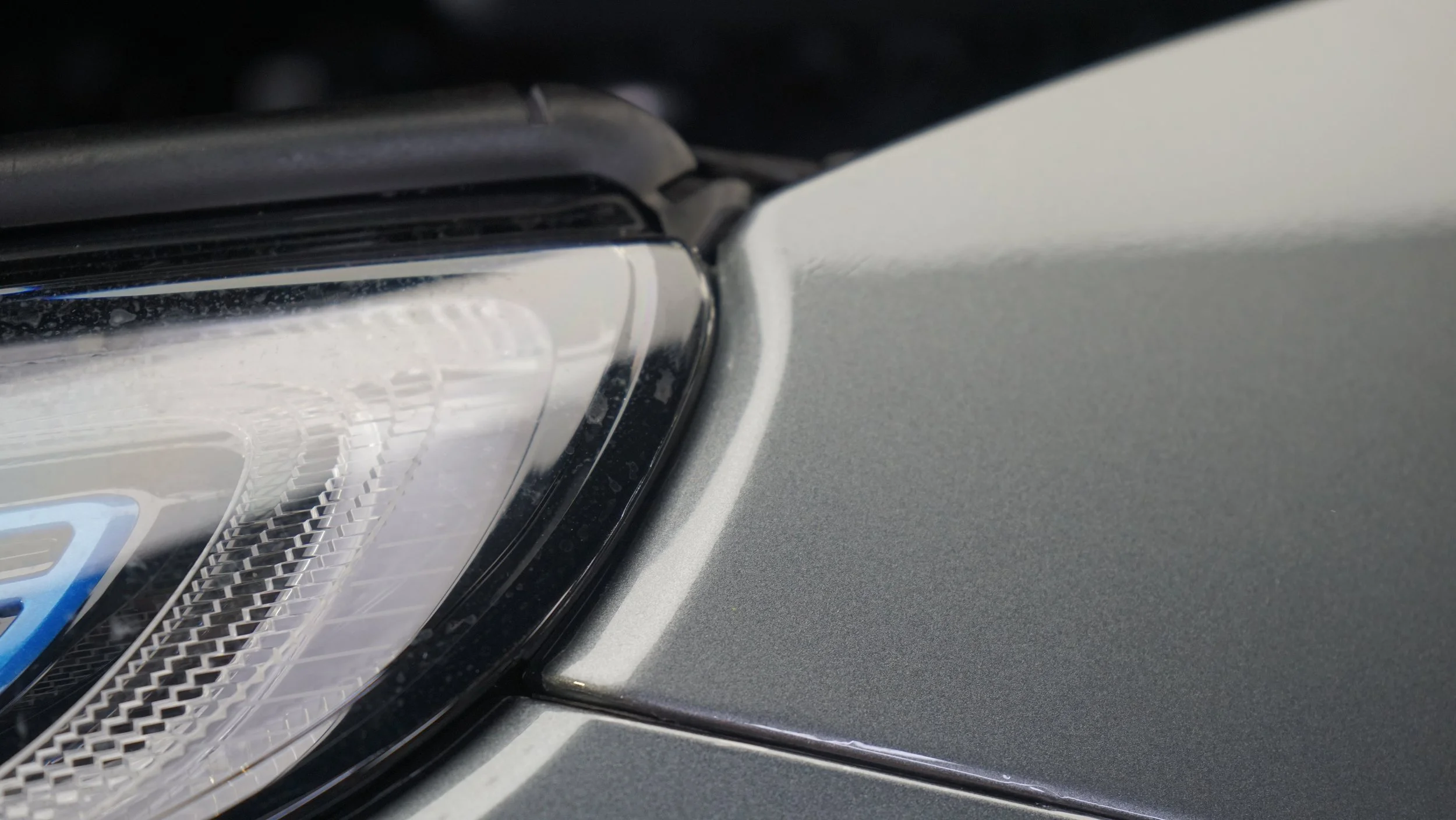
Thomas Mayer Automotive Detailing. 639 Magill Rd, Magill. SA's only Modesta accredited installer.Get a recommendation for your car
