
Does My New Car Need PPF Before the First Drive?
You just picked up a new car. The paint is perfect. The question is whether it stays that way.
The First Drive Does the Most Damage
Before the car makes it home, it has been on the road. Gravel. Freeway grit. Insects. Every kilometre from the dealership is an unprotected kilometre.
The front of the car takes the most. Bonnet leading edge, bumper, mirrors, A-pillars. These are the panels that accumulate rock chips first because they face directly into everything the road throws up. A front end PPF package covers exactly those areas.
What the Dealership Sold You Is Not the Same Thing
Most dealerships offer a paint protection product at the time of sale. The margins on it are significant. The product itself is usually a polymer or silicone-based coating, sometimes applied to a car that has not been properly prepared.
That is not PPF. It is a coating, and not necessarily a quality one. If you said yes to it at signing, you may have a coating on your car already. What you do not have is a physical film that absorbs impact.
The Case for Before the First Drive
Once a chip is in the paint, PPF can still go on. The chip just stays. PPF protects against future damage but it does not erase what is already there.
Getting PPF before or immediately after delivery means the paint underneath goes into the film in perfect condition. When the film eventually comes off years down the track, the paint is still perfect underneath.
On a car you plan to keep long term, that matters for resale and for your own satisfaction.
It Does Not Have to Be a Full Body Wrap
Most people do not need full body PPF. A targeted front end package covering the areas that actually get hit is what most cars benefit from. Bonnet, front bumper, mirrors, headlights, A-pillars.
Higher risk cars — those doing regular highway driving, country runs, or owners who are particularly protective — might extend that to rear quarter panels, door cups, and full doors. But the front end is where the majority of chips happen and it is a sensible starting point.
What to Do If the Car Already Has Chips
Get them addressed before the film goes on. Touch up or respray the affected areas first. Then PPF over the top. The chip is hidden under the film and protected from getting worse.
Putting film over an unaddressed chip traps it. The paint can continue to deteriorate underneath if moisture gets in. Fix it first.
The Honest Recommendation
If you have a new car and you care about keeping the paint in good condition, front end PPF before or immediately after delivery is the right call. The cost is predictable. The paint damage it prevents is not.
If you are holding onto the car for two years and selling it, the calculus is different. But most people who come in for PPF on a new car are people who plan to keep it
Should You Put a Ceramic Coating Over Your PPF?
PPF and ceramic coating work better together than either does alone. Here’s the real world test data and the science behind why.
Short answer. Yes. Here is why.
PPF Is Organic. That Is Its Weakness.
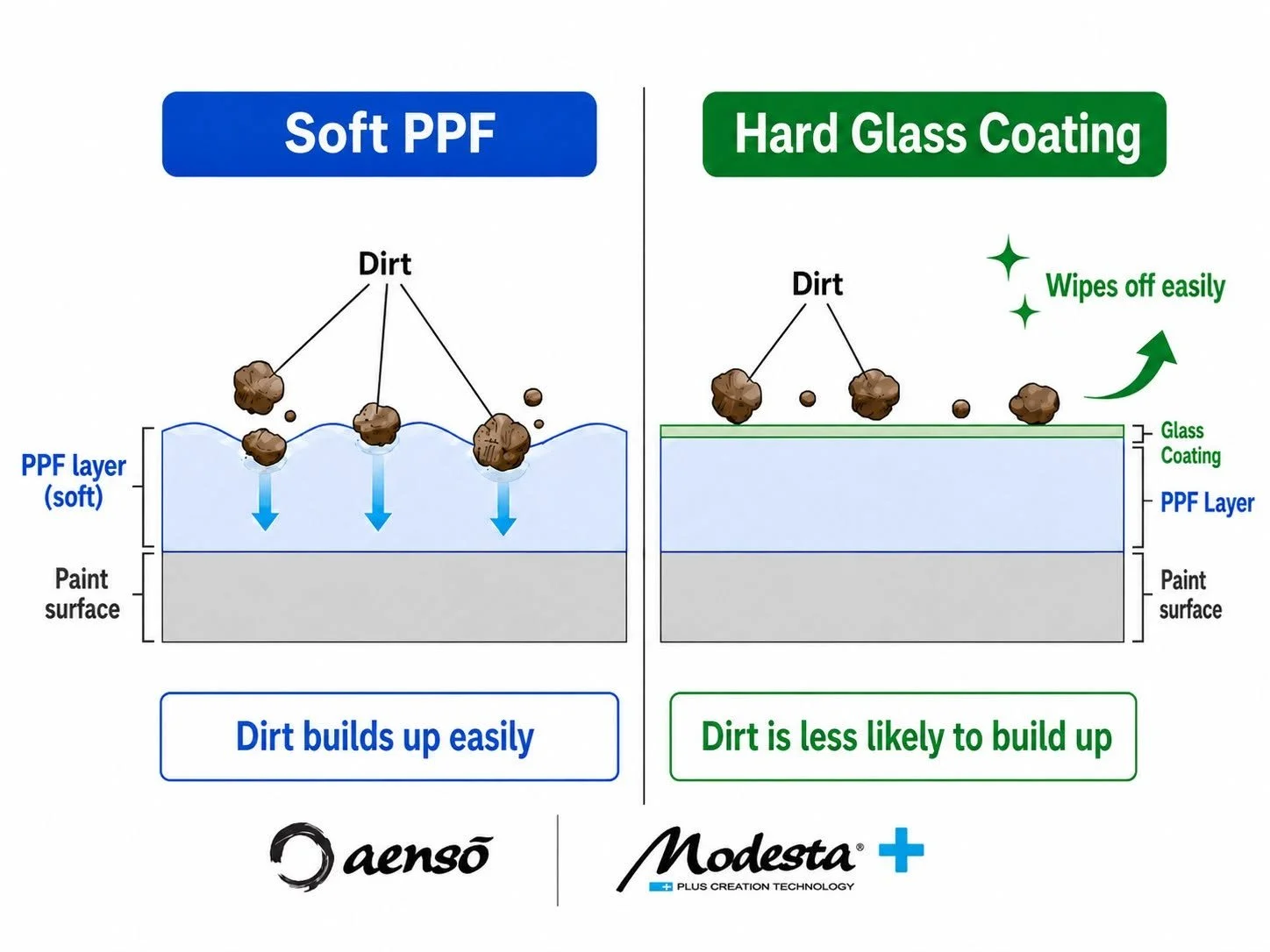
Paint Protection Film is thermoplastic polyurethane. A soft, elastic, carbon-based material. That organic molecular structure is exactly what makes it flexible enough to apply to a car and peel off when needed. It is also what makes it vulnerable to the natural environment over time.
UV, water and oxygen work on organic materials. Left unprotected, PPF accumulates surface contamination more easily than bare paint because the surface is softer. It deteriorates faster than it needs to.
Glass Coating Addresses That Weakness Directly
An inorganic glass coating applied over PPF creates a barrier between the film and the environment. The coating's silicon dioxide structure does not oxidise. It limits the film's direct contact with water and air. It suppresses the deterioration that would otherwise happen over time.
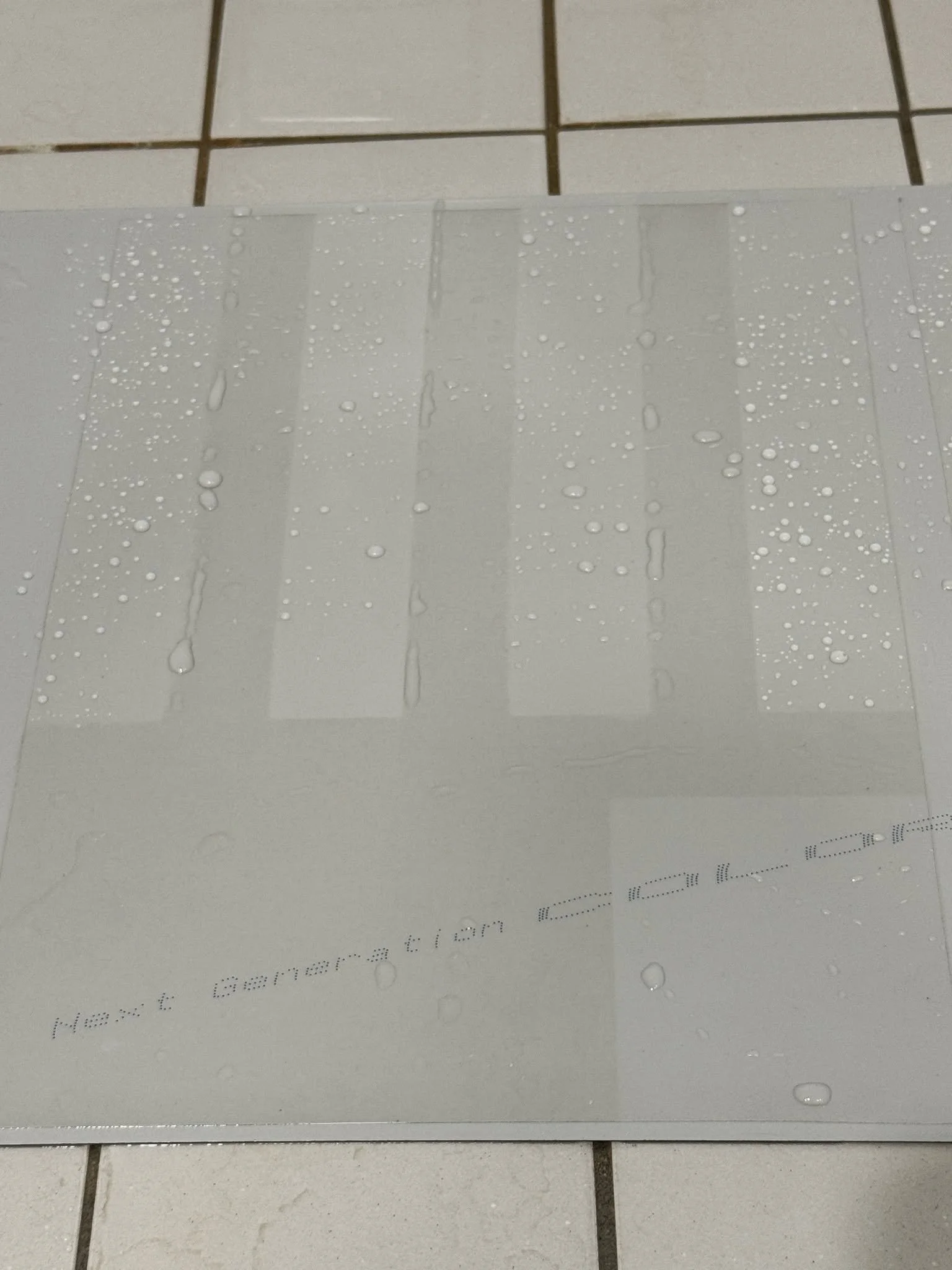
The surface also becomes hydrophobic. Water beads and runs off. Contaminants bond less readily. The film stays cleaner and easier to maintain.
What Does the Coating Do to Self-Healing PPF?
This is the question most people ask. If you coat a self-healing PPF, does the coating stop it healing?
The answer is no. The self-healing happens in the film layer itself when heat is applied. A glass coating applied over the top does not prevent that. The film still heals from light scratches with a heat gun or warm water. The coating layer above it that has been scratched will not return to its original state, but the film underneath heals as intended.
The coating also survives the expansion and contraction of PPF on the car. Because it is applied after the film is bonded to the vehicle, the actual movement involved is minor. The coating is a thin film that moves with the substrate. No peeling. No cracking.
The Four Year Gloss Test
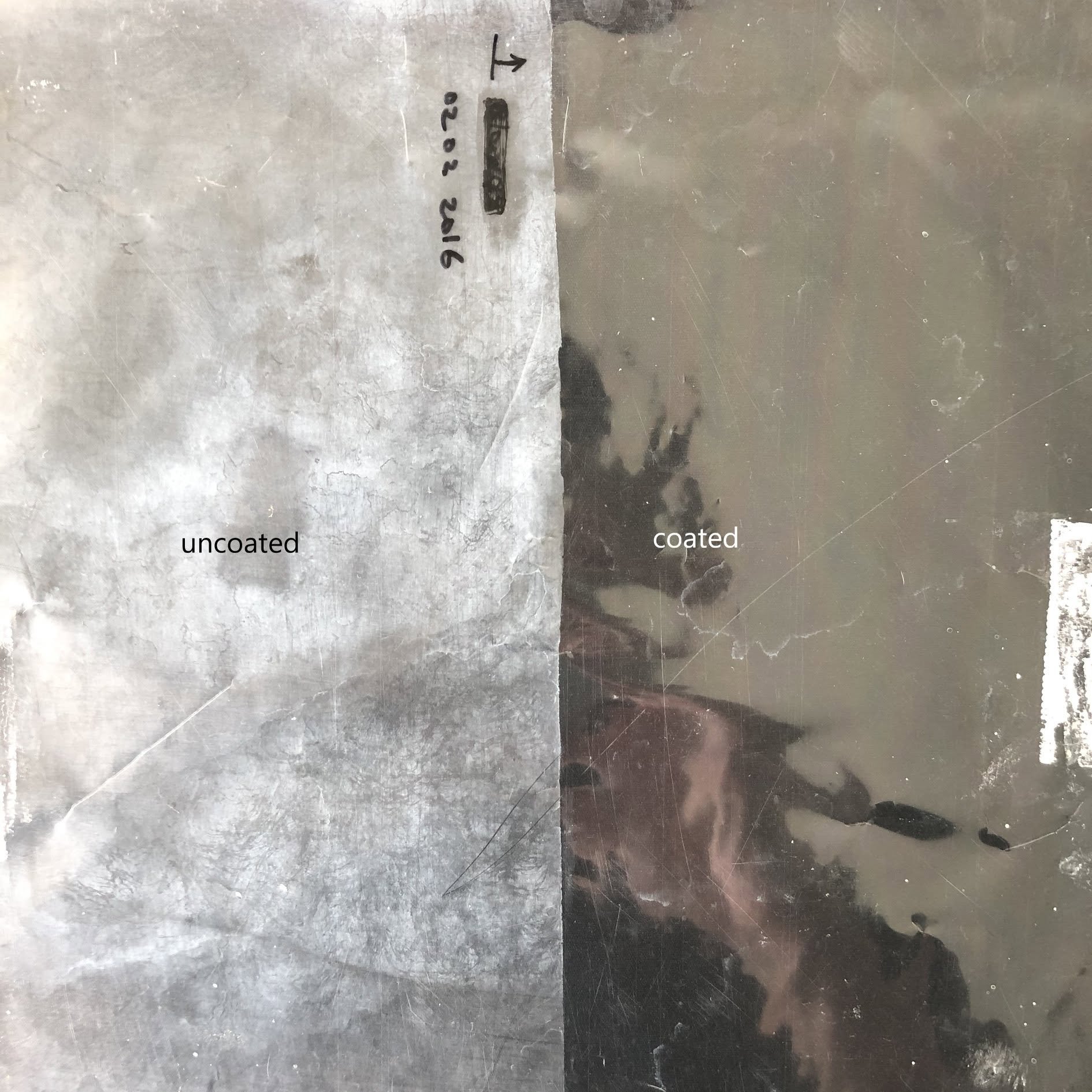
There is real test data on this. A self-healing PPF was coated on the right half only, then left outdoors in a natural environment for four years. UV, rain, dust, everything.
At four years, gloss measurements were taken with a calibrated gloss meter.
Coated side: 91 gloss units. That is 101% of the original uncoated new film. Uncoated side: 51.70 gloss units. That is 57.30% of original.
The coated film looked better after four years than the uncoated film looked when it was new.
That is not a claim. That is a measurement.
When Does the Coating Go On?
After the film is installed on the car. Not before.
Glass coating cannot be applied to PPF at the factory or before installation because the film will be stretched when it goes on the vehicle. A cured inorganic coating on a flexible film that then gets stretched will crack or peel. The coating goes on after the film is bonded and settled.
Is It Worth the Extra Cost?
If you are putting PPF on a car you care about and want to look after long term, the coating over the top extends the life of the film and keeps it performing at a higher level. The cost relative to the total investment in PPF is reasonable.
If you are doing a budget front end on a daily driver you will replace in two years, the coating may not make sense for you.
Tell me about the car and I will give you an honest answer on whether it is worth doing in your situation.
Is Graphene Coating Real? What the Chemist Who Makes Glass Coatings Actually Says
Graphene coating is being sold everywhere right now. Detailers, dealerships, online shops. The marketing is impressive. The chemistry is a different story.
What Graphene Actually Is
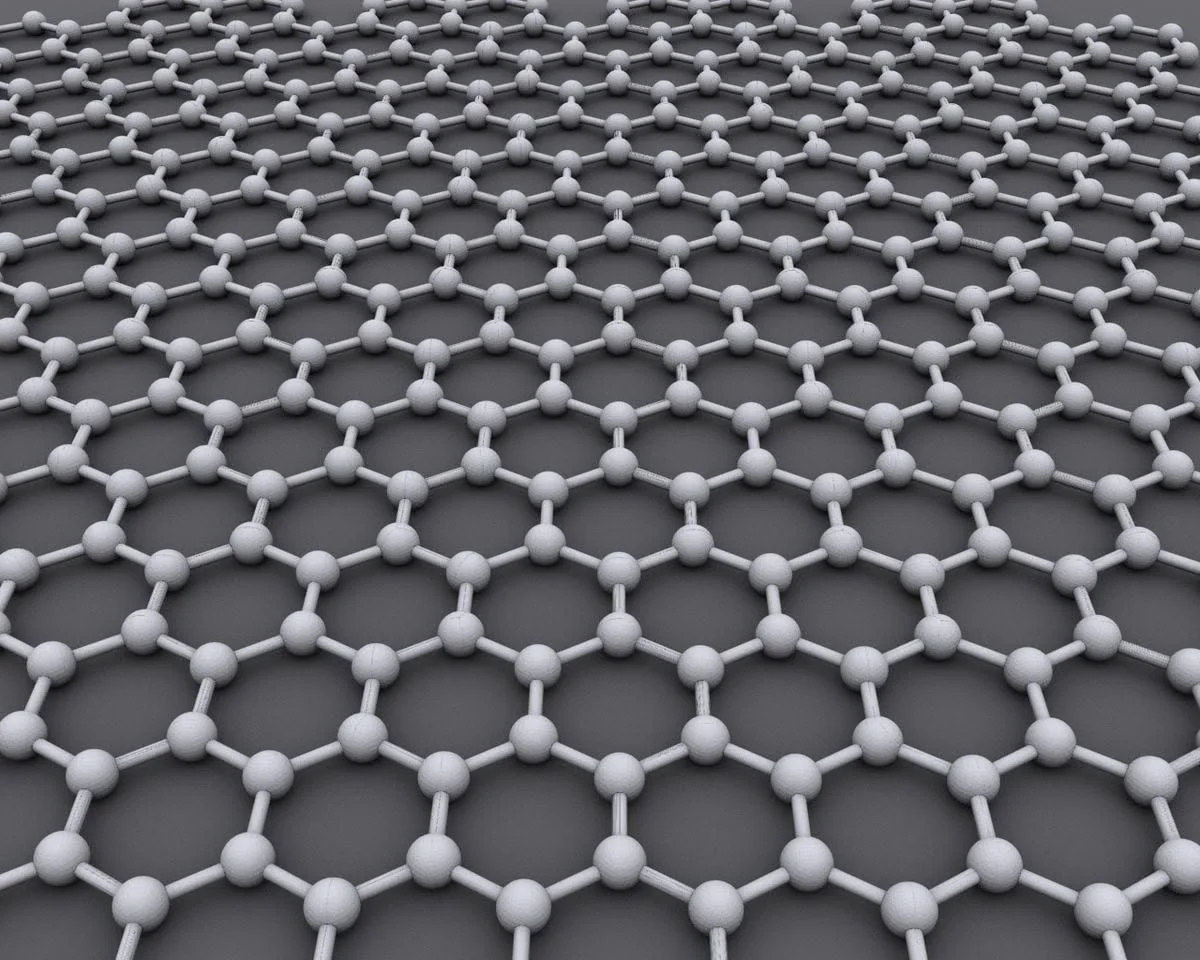
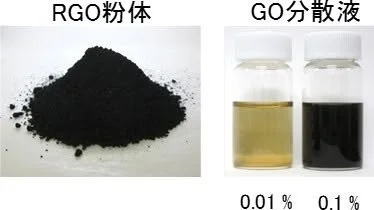
Graphene is one atom thick. A single layer of graphite. It is genuinely an extraordinary material with real properties that make it interesting for industrial applications. The problem is that producing large-area graphene is an extremely expensive and complex process. Laying one atom thick graphene across a car panel is not an established technology. It does not exist in automotive detailing yet.
What Graphene Coatings Actually Contain
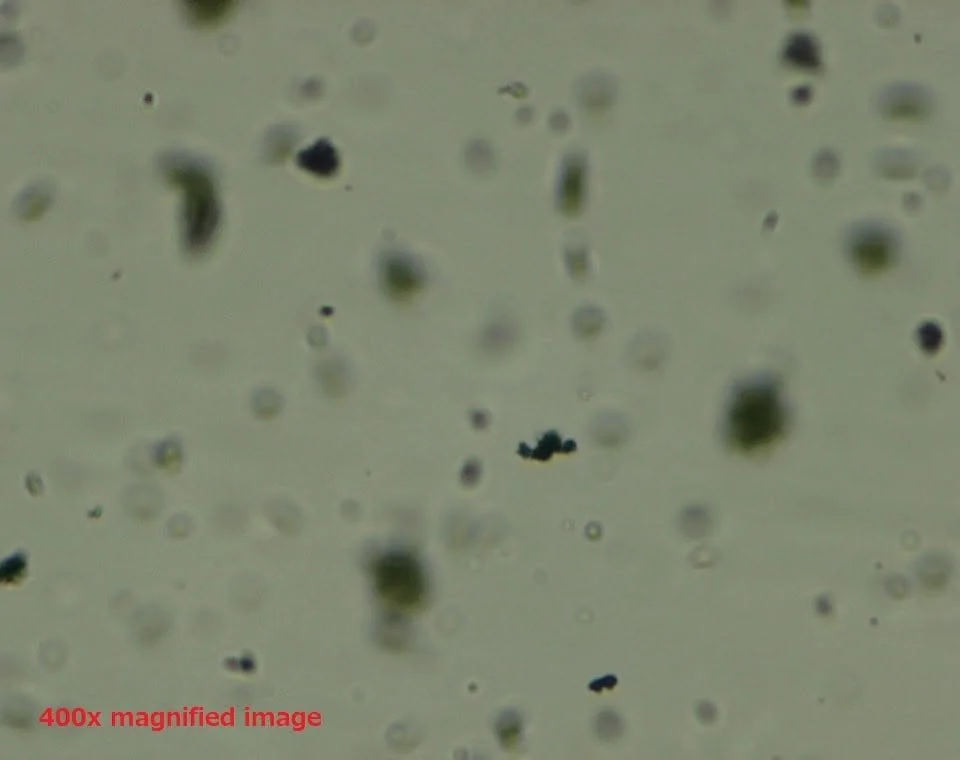
What is being sold as graphene coating is a standard SiO2 coating with graphene oxide added as an additive. The main molecular structure is the same as every other glass coating on the market. The graphite particles are dispersed through the coating film.
Graphite reduces gloss. Adding too much reduces the hardness of the coating film. So the amount that can be included is limited by the fact that more of it makes the product worse, not better.
Some brands are putting graphene oxide into organic polymer coatings, which is the previous generation of ceramic coating technology. So you are getting an older coating base with a trendy additive and a premium price tag.
The analogy is pizza. A pizza with different toppings is still a pizza. You do not rename it based on the toppings. A SiO2 coating with graphene oxide added is still a glass coating.

Why the Name Matters
BC-04 contains titanium dioxide. BC-08 contains synthetic diamond and zirconia. Modesta does not call them titanium coating or diamond coating. They are called glass coatings because the main molecular structure is SiO2. That is the standard that should apply across the industry.
When a brand calls their product graphene coating, they are naming it after an additive rather than the actual composition. It is a marketing decision, not a chemistry one.
Is It a Scam?
Not necessarily. Some additives are useful at small concentrations. The coating underneath the graphene label may perform well. The issue is that you are paying for the graphene story when the actual performance comes from the SiO2 base that every quality coating uses.
The question to ask any coating brand is what the main molecular structure is. If it is SiO2, you have a glass coating with additives. What those additives actually contribute to performance is a separate question from what they are called.
What This Means for Your Car
If someone is quoting you a graphene coating at a premium price because graphene is a wonder material, ask them to explain the main molecular structure of the product. Ask what percentage of graphene oxide is present and what performance benefit it provides.
If they cannot answer those questions, the premium is for the name, not the chemistry.
The coatings that have decades of test data, independent performance verification, and accredited installer networks are glass coatings. That is what protects the cars that come through here.
How Long Does Ceramic Coating Actually Last
The question comes up every time. How long does it last.
The answer you get from a dealership paint protection pitch is usually “lifetime”. The answer you get from the chemistry is different.
What the Test Data Actually Shows
A single layer of Modesta BC-05 was applied to a test piece in January 2014. It was placed on a test rack outdoors in a natural environment. Subtropical region. Five times the UV intensity of Tokyo. Frequent rain. No maintenance at all for 10.5 years.
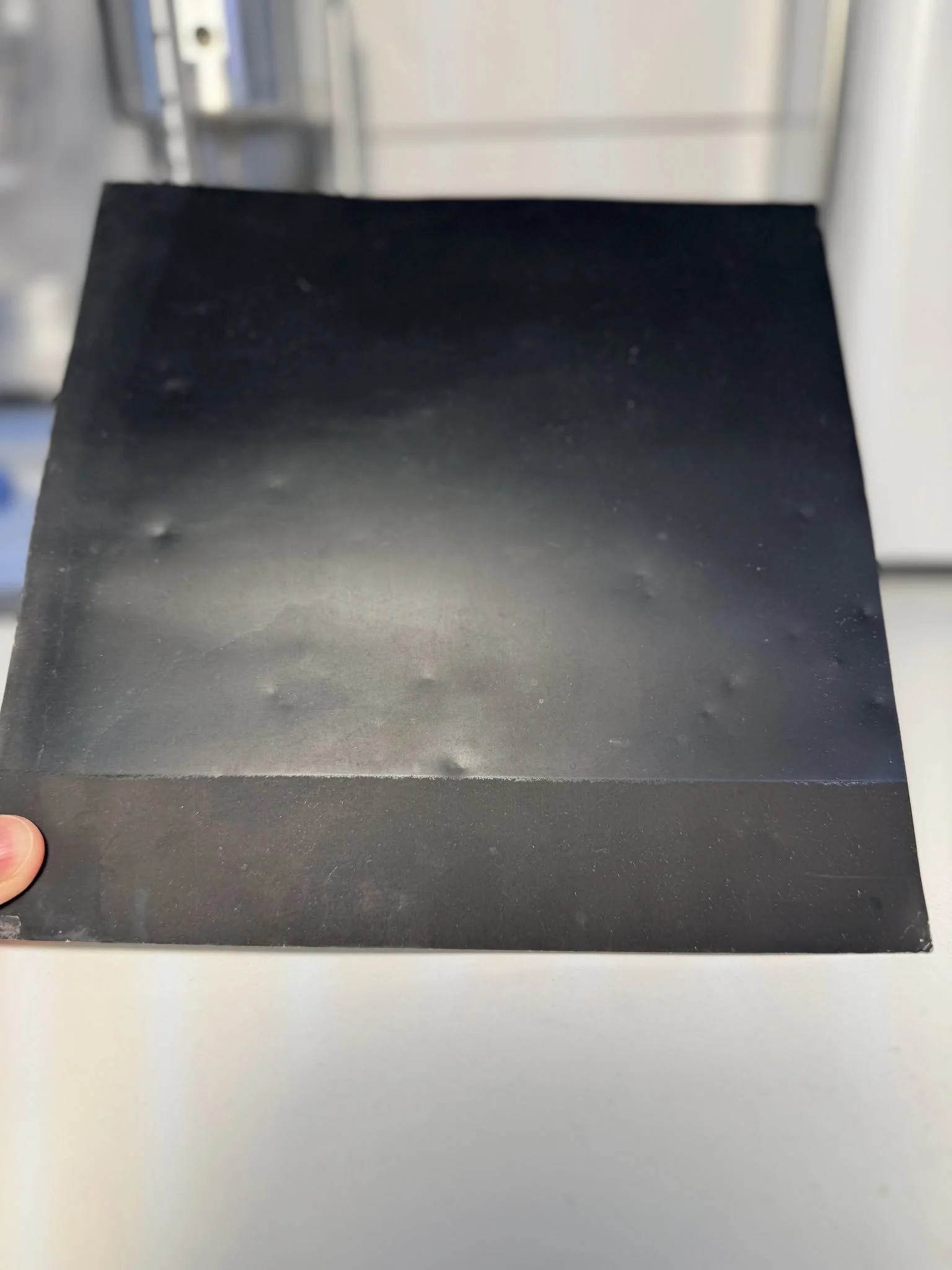
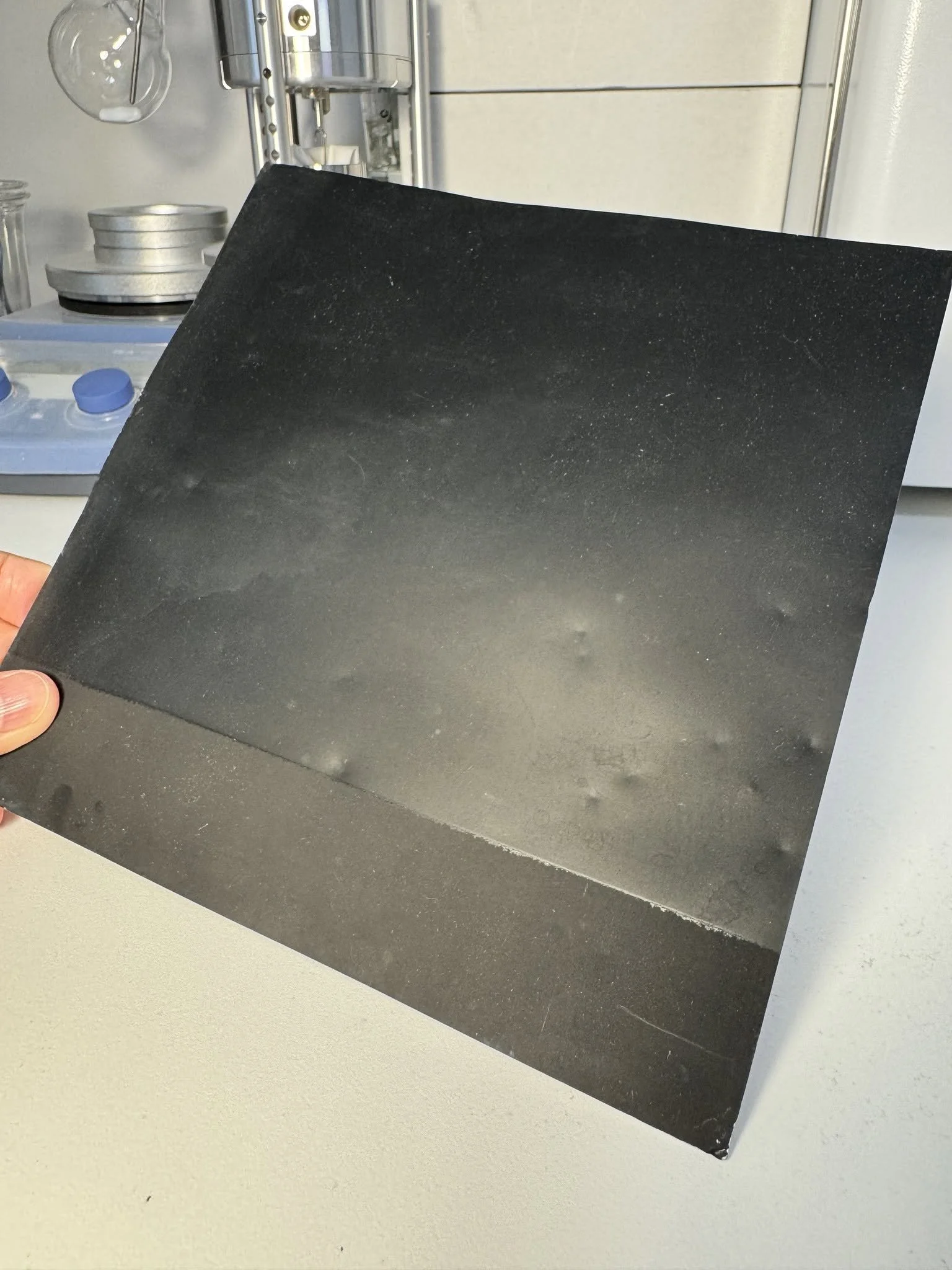
The photo taken at 10.5 years shows the coating intact. No defects. The luster is maintained. The paint surface is protected from oxidation.
The 4cm section of the test piece left unprotected tells the other story. That section oxidised and is showing signs of chalking.
The coating also survived hail. There are dents on the test piece from storms. The coating around those dents held. No chipping. No peeling.
That is not a marketing claim. That is a test piece sitting outside for over a decade.
Why Dealership Coatings Don't Last
Most dealer-applied paint protection is a silicone-based or polymer product. Some contain silicone oil. Silicone oil solidifies over time, traps dirt, and deteriorates the same way wax does. It looks good for 12 months and then the surface goes dull.
The products being applied at dealership handover are often rebranded machine wash products. The margins are high and the scrutiny is low because most customers do not know what they are buying.
A glass coating like Modesta BC-05 has silicon dioxide as its main molecular structure. It cures to an inorganic three-dimensional mesh. Inorganic materials do not oxidise in the natural environment. That is the fundamental chemistry that makes the difference.
What Affects Longevity
Preparation is the biggest variable. A coating applied over uncorrected paint, contamination, or a surface that has not been properly decontaminated will not bond correctly. The coating is only as good as what it is going on.
Application matters. Modesta coatings are accredited installer products. They are not consumer products you can buy at a supermarket. The application process, flash times, IR curing and levelling technique all affect the final result.
Maintenance after application also plays a role. Automatic car washes with rotary brushes and alkaline detergents degrade the coating faster than anything else. Hand washing with a pH neutral shampoo is the correct approach. An annual maintenance treatment with a compatible product keeps the hydrophobic behaviour performing.
What You Can Realistically Expect
BC-05 applied correctly by a certified installer, maintained properly with hand washing, will protect your paint for well beyond what any dealership pitch promises. The test data supports 10.5 years and counting.
BC-04 on darker paint. BC-06 on wheels and trim. Each product has a specific application based on the surface and the environment it is going into.
If someone quotes you a price at a dealership and guarantees a ‘lifetime’, ask them what the product is. Ask to see the data. Read the fine print. Then come and have an honest conversation about what is actually going on your car.
PPF vs Ceramic Coating
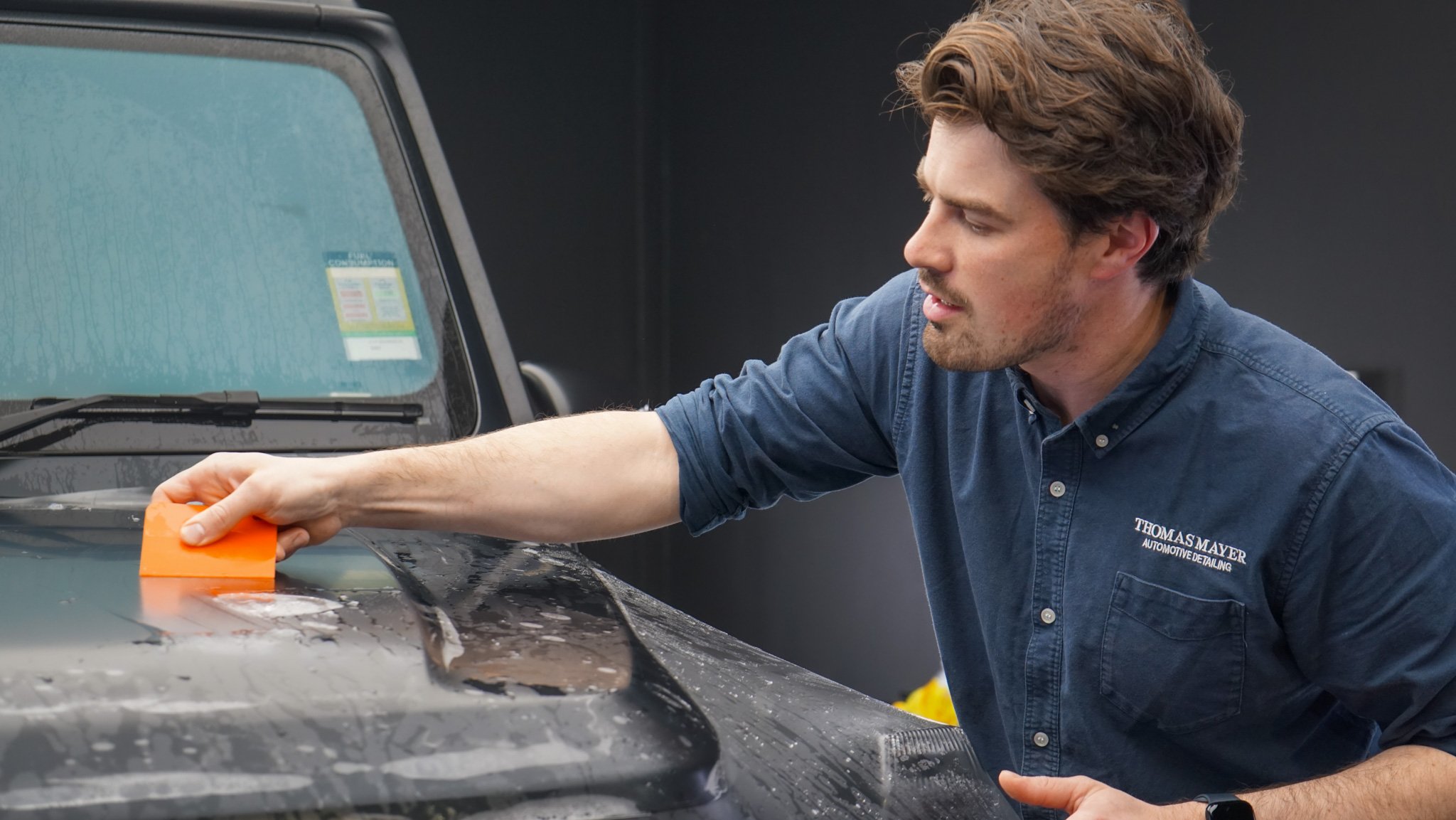
Thomas Mayer applying paint protection film to a vehicle in Adelaide
Most people come in asking which one they should get. PPF or ceramic. The honest answer is they do different things, and in most cases the right answer is both.
Here's what each one actually is.
PPF — Physical Protection
Paint Protection Film is a thermoplastic polyurethane film. It sits on top of your paint as a physical barrier. When a rock hits your bonnet, the film takes the impact. When a car park door swings open, the film absorbs it. The paint underneath stays untouched.
PPF is thick and elastic. It has self-healing properties on the surface layer, so light scratches disappear with heat. It's the closest thing to armour you can put on a car.
What it is not is a coating. It does not make the paint glossier. It does not repel water. It does not stop contamination bonding to the surface.
The film itself is an organic material. It contains carbon. Left unprotected, it deteriorates in UV and harsh weather. The surface is soft, which means dirt accumulates more easily than on bare paint.
Ceramic Coating — Surface Treatment
A ceramic or glass coating is an inorganic treatment applied directly to paint or PPF. The main molecular structure is silicon dioxide. When it cures, it creates a hard three-dimensional mesh on the surface that is water resistant and does not oxidise in the natural environment.
It makes the surface hydrophobic. Water beads and runs off. Contaminants bond less readily. The gloss increases and stays consistent. Maintenance becomes significantly easier.
What it does not do is absorb physical impact. A rock chip goes straight through a ceramic coating. It offers no mechanical protection whatsoever.
Why Both Makes Sense
PPF protects the paint from physical damage. Ceramic coating protects the PPF from UV degradation, contamination and surface deterioration.
There is four years of real world test data on this. PPF coated with a glass coating measured 91 gloss units after four years outdoors. Uncoated PPF on the same test piece measured 51.70 gloss units. That is 57% of its original gloss remaining versus 101%. The coating kept the PPF looking new while the uncoated side deteriorated significantly.
Without a coating over the top, PPF works hard but degrades faster than it needs to. With a coating, you are getting the best of both products. Physical protection underneath, chemical resistance and gloss on top.
Which One First
PPF goes on first. Always.
A ceramic coating is an inorganic material. If you apply it to the paint before PPF goes on, the film will not bond correctly when it is installed later. The coating has to go on after the PPF is on the car.

What About Just Ceramic
Ceramic alone makes sense for cars that are not high-risk for rock chips and physical damage. Daily driver in an urban area. Mostly highway driving with gaps between cars. A car the owner wants easier maintenance and better gloss without the full cost of film.
It is a legitimate choice. It just does not protect against the things PPF does.
What About Just PPF
PPF alone is common. Plenty of cars come in for a front end or full body wrap with no ceramic over the top. It works. The film does its job.
The gap is long-term surface condition. Over time, uncoated PPF accumulates contamination and loses some surface quality. A coating over the top extends the film's life and keeps it looking better for longer.
The Honest Answer
If the budget is there, do both. The products complement each other in a way that neither achieves alone.
If the budget is one or the other, the decision comes down to how you use the car and what you are most trying to protect against. Front end PPF on a car that does regular highway driving. Ceramic only on a city car that gets light use.
Tell me about your car and how you drive it and I will tell you what makes sense.
Thomas Mayer Automotive Detailing. 639 Magill Rd, Magill. SA's only Modesta accredited installer.Get a recommendation for your car