Is Graphene Coating Real? What the Chemist Who Makes Glass Coatings Actually Says
Graphene coating is being sold everywhere right now. Detailers, dealerships, online shops. The marketing is impressive. The chemistry is a different story.
What Graphene Actually Is
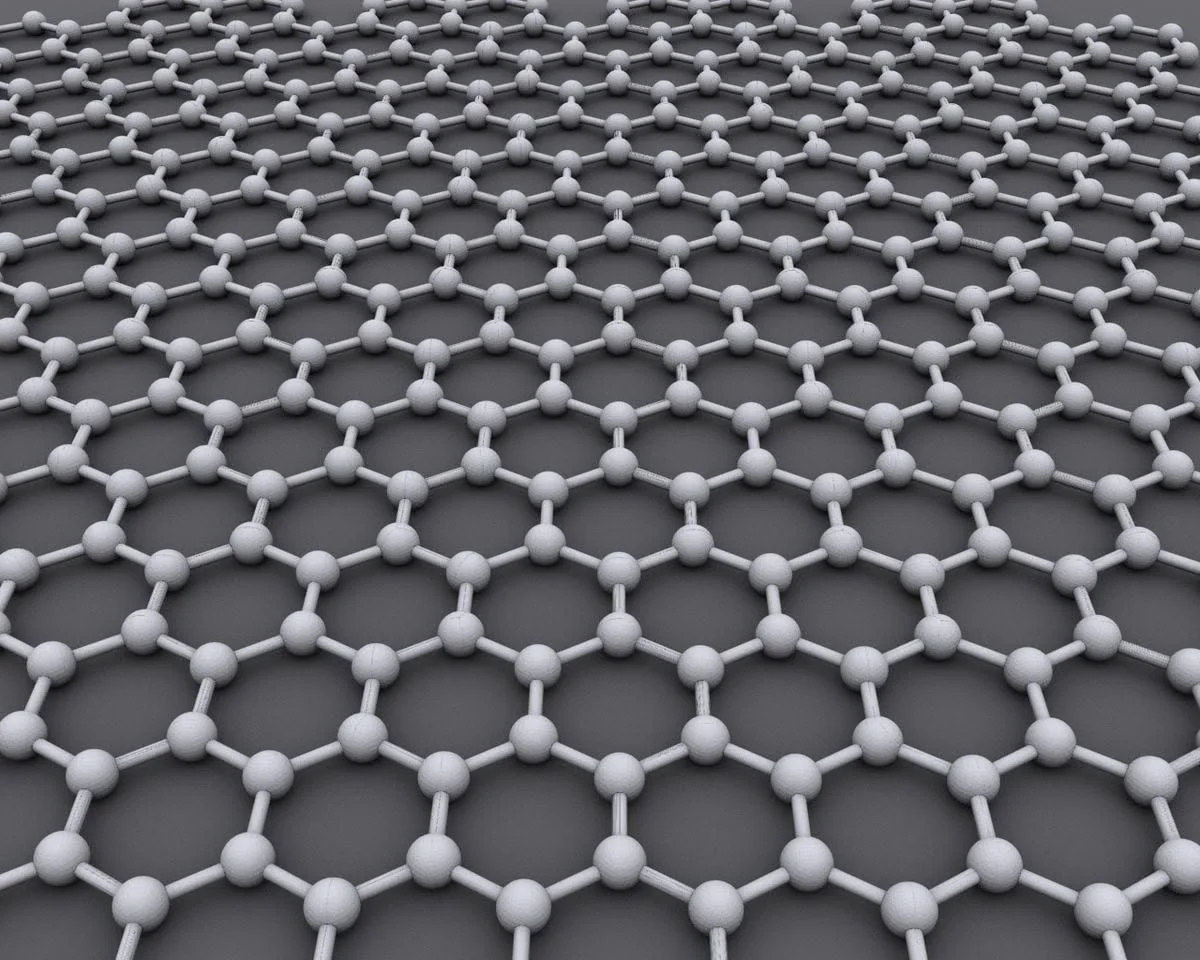
Graphene is one atom thick. A single layer of graphite. It is genuinely an extraordinary material with real properties that make it interesting for industrial applications. The problem is that producing large-area graphene is an extremely expensive and complex process. Laying one atom thick graphene across a car panel is not an established technology. It does not exist in automotive detailing yet.
What Graphene Coatings Actually Contain
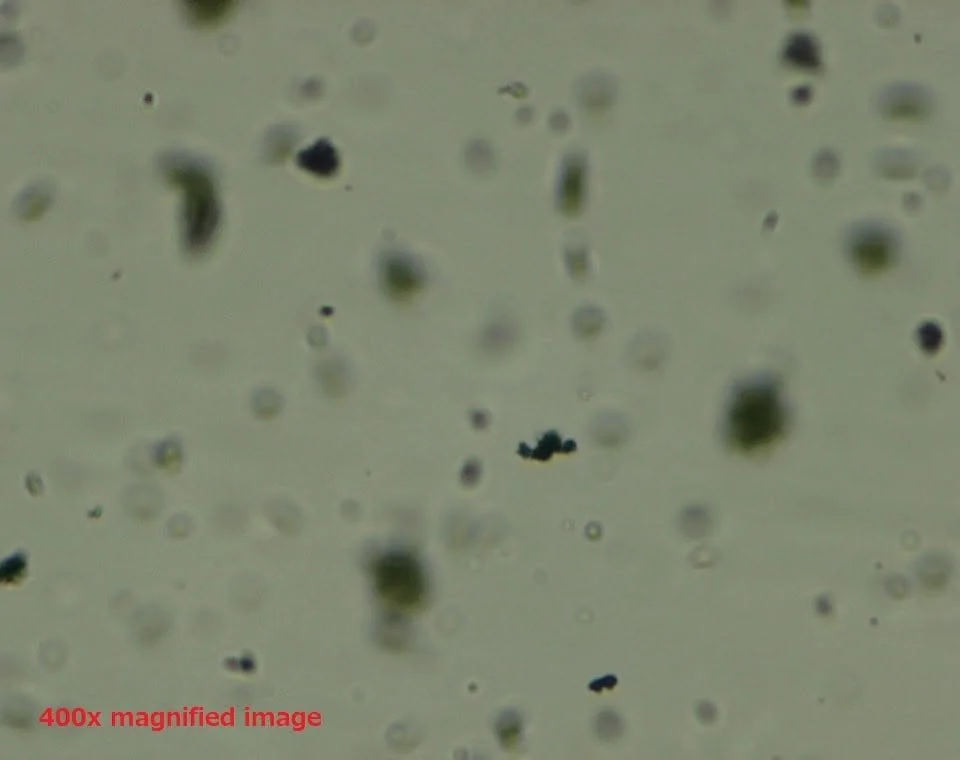
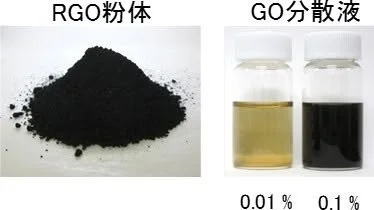
What is being sold as graphene coating is a standard SiO2 coating with graphene oxide added as an additive. The main molecular structure is the same as every other glass coating on the market. The graphite particles are dispersed through the coating film.
Graphite reduces gloss. Adding too much reduces the hardness of the coating film. So the amount that can be included is limited by the fact that more of it makes the product worse, not better.
Some brands are putting graphene oxide into organic polymer coatings, which is the previous generation of ceramic coating technology. So you are getting an older coating base with a trendy additive and a premium price tag.
The analogy is pizza. A pizza with different toppings is still a pizza. You do not rename it based on the toppings. A SiO2 coating with graphene oxide added is still a glass coating.

Why the Name Matters
BC-04 contains titanium dioxide. BC-08 contains synthetic diamond and zirconia. Modesta does not call them titanium coating or diamond coating. They are called glass coatings because the main molecular structure is SiO2. That is the standard that should apply across the industry.
When a brand calls their product graphene coating, they are naming it after an additive rather than the actual composition. It is a marketing decision, not a chemistry one.
Is It a Scam?
Not necessarily. Some additives are useful at small concentrations. The coating underneath the graphene label may perform well. The issue is that you are paying for the graphene story when the actual performance comes from the SiO2 base that every quality coating uses.
The question to ask any coating brand is what the main molecular structure is. If it is SiO2, you have a glass coating with additives. What those additives actually contribute to performance is a separate question from what they are called.
What This Means for Your Car
If someone is quoting you a graphene coating at a premium price because graphene is a wonder material, ask them to explain the main molecular structure of the product. Ask what percentage of graphene oxide is present and what performance benefit it provides.
If they cannot answer those questions, the premium is for the name, not the chemistry.
The coatings that have decades of test data, independent performance verification, and accredited installer networks are glass coatings. That is what protects the cars that come through here.